
Denmark

Plan your crossing to Denmark quickly and easily. Whether via the classic routes from Puttgarden to Rødby and Rostock to Gedser, or via Sweden and Norway, we get you to your destination by the fastest route. Compare the offers of leading operators such as Scandlines, Fjord Line, Color Line and Stena Line and book your ticket directly online. Benefit from flexible fares and start your holiday in Denmark relaxed.
Operators & routes from / to Denmark


Operators & routes from / to Denmark
- Bergen – HirtshalsFjord Line17 h 30 min
- Goeteborg – FrederikshavnStena Line3 h 30 min
- Halmstad – GrenaaStena Line
- Kristiansand – HirtshalsColor Line, Fjord Line2 h 50 min
- Larvik – HirtshalsColor Line3 h 50 min
- Puttgarden – RodbyScandlines45 min
- Rostock – GedserScandlines2 h
- Stavanger – HirtshalsFjord Line11 h 15 min
Denmark - Where history meets innovation and the beauty of nature soothes the soul.

- Location: Northern Europe, on the Jutland Peninsula
- Area: 42,924 km²
- Population: Around 5.8 million people
- Capital: Copenhagen
- Official language: Danish
- Currency: Danish krone (DKK)
- Culture: Rich cultural tradition, art
- Cuisine: Smørrebrød (open sandwiches), Frikadeller (Danish meatballs), Rødgrød med Fløde (red berry pudding with cream)
- Activities: Exploring ancient towns, hiking and cycling
Sights
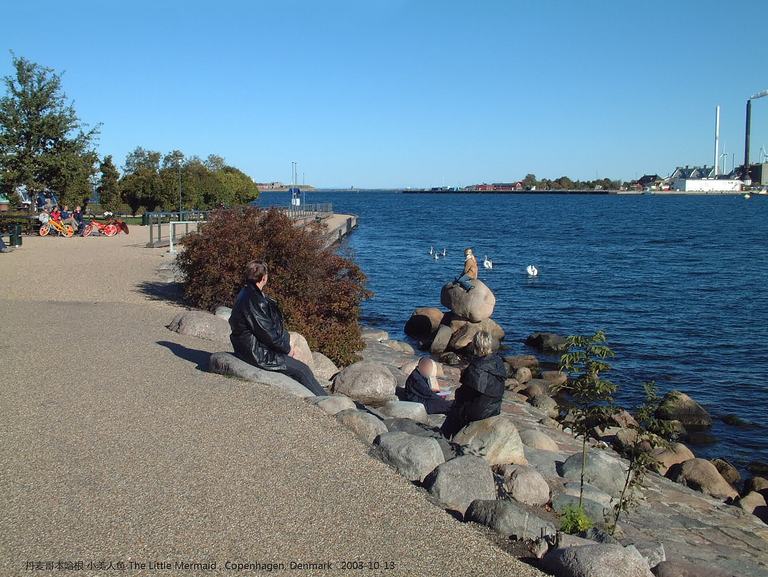
Photo: wanghongliu (CC BY-SA 3.0)
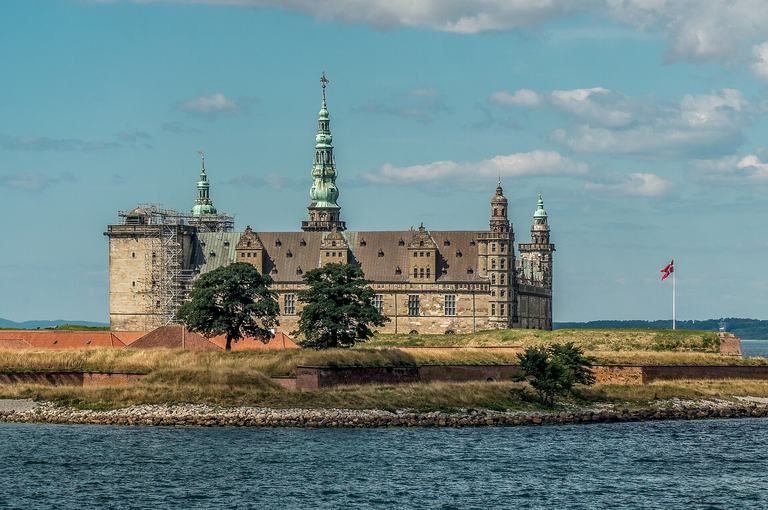
Photo: Ermell (CC BY-SA 4.0)
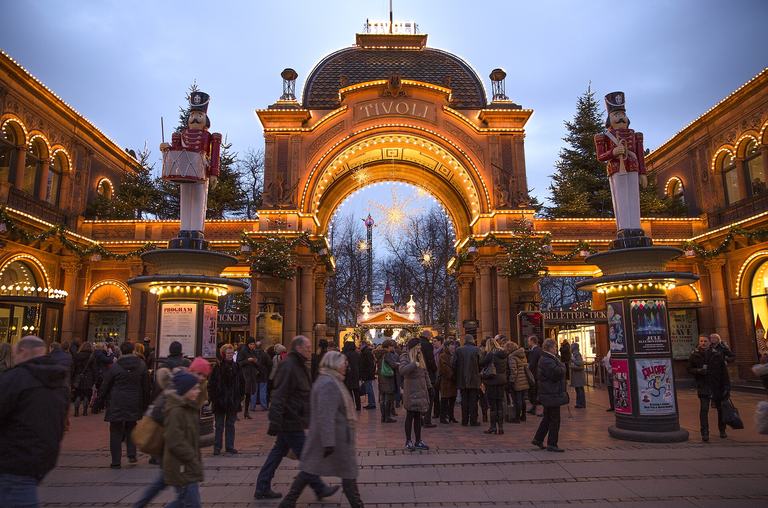
Photo: Johan Wessman / News Oresund (CC BY 2.0)
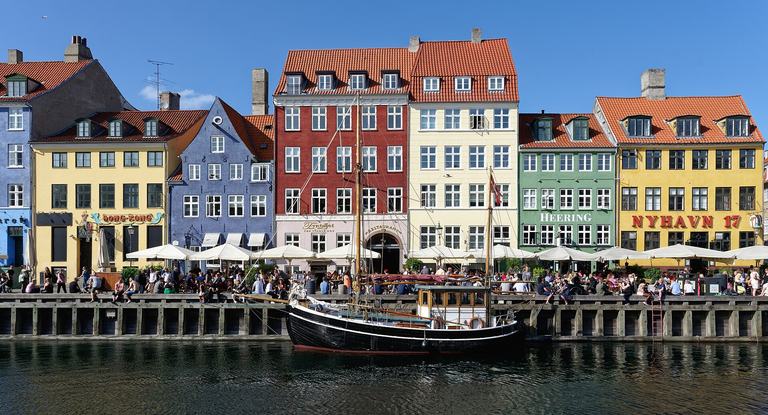
Photo: Jakub Hałun (CC BY-SA 4.0)
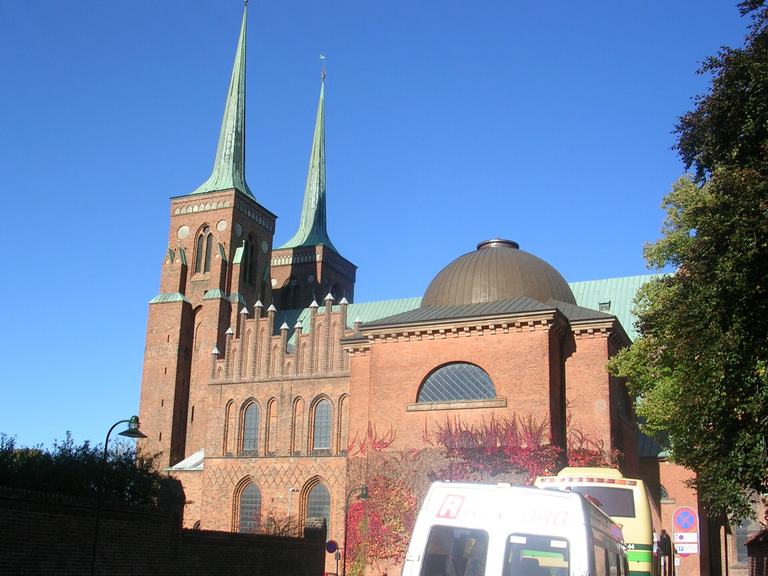
Photo: Väsk (CC BY-SA 3.0)


Cultural facts
Danish design tradition: Denmark is known for its outstanding design tradition, which is reflected in areas such as furniture, architecture, fashion and graphic design. Well-known Danish designers such as Arne Jacobsen, Hans Wegner and Verner Panton have gained worldwide recognition and continue to shape the design landscape today.
Literature and fairy tales: Denmark has a rich literary tradition, shaped by authors such as Hans Christian Andersen. Andersen, one of the best-known fairy tale writers in the world, created timeless works such as "The Little Mermaid", "The Ugly Duckling" and "The Princess and the Pea", which have inspired generations of children and adults.
Copenhagen as a cultural metropolis: The capital, Copenhagen, is a cultural centre of Denmark and offers a wealth of museums, galleries, theatres and music events. From renowned art museums such as the Ny Carlsberg Glyptotek and the Statens Museum for Kunst to avant-garde performance art venues such as the Nikolaj Kunsthal, Copenhagen has something for every taste.
Hygge: The Danish concept of "hygge" has gained worldwide importance in recent years and stands for coziness, relaxation and being together with loved ones. Hygge is an important part of the Danish way of life and shapes the way Danes spend their leisure time, furnish their homes and look after their well-being.
Folk festivals and traditions: Denmark celebrates a variety of traditional festivals and customs that are deeply rooted in the country's history and culture. These include the annual Midsummer festival (Sankt Hans Aften), Christmas (Jul) with its processions of lights and Jul-Nisser (Christmas elves), as well as Easter (Påske) with its bonfires and Easter eggs.
Fun facts
Bicycle-friendly country: Denmark is considered one of the most bicycle-friendly countries in the world, with an excellent network of cycle paths and routes running throughout the country. In cities such as Copenhagen, many people use the bicycle as their main means of transport, and the country is proud of its environmentally friendly mobility.
Happiest country in the world: Denmark is often ranked as one of the happiest countries in the world, based on various surveys and studies of residents' quality of life, satisfaction and well-being. The Danish lifestyle, shaped by hygge, a sense of community and a strong welfare system, helps people feel at home in their country.
World's largest Lego factory: The largest Lego factory in the world is located in Billund, Denmark, the birthplace of the famous toy brand. Lego was founded in 1932 by Ole Kirk Christiansen and has since inspired generations of children and adults around the world.
Island nation: Denmark consists of over 400 islands, of which only about 70 are inhabited. The largest islands are Zealand, Funen, Lolland, Falster and Bornholm. The variety of Danish islands offers a rich diversity of landscapes and culture, from picturesque coastal villages to unspoiled nature reserves.
Danish royal family: Denmark has a long monarchical tradition, and the Danish royal family is one of the oldest royal families in the world. Queen Margrethe II has been head of state since 1972 and represents the Danish nation in her role as head of state. The royal family has a strong bond with the people and enjoys broad support among the population.
Seasonal conditions
Summer
Long days:
During the summer, Denmark enjoys long days with plenty of sunshine and daylight. The sun rises early and sets late, which leaves plenty of time for outdoor activities and exploring.
Beach holidays:
In summer, the Danish coast is a popular destination for beach holidaymakers. The long sandy beaches along the North Sea and the Baltic Sea invite you to sunbathe, swim and relax. Places such as Skagen, Blåvand and Bornholm are especially popular.
Summer festivals:
The Danish summer is full of festivals and events, including music festivals, art exhibitions, street festivals and traditional markets. The best-known summer festivals include the Roskilde Festival, the NorthSide Festival and the Copenhagen Jazz Festival.
Winter
Cosy atmosphere:
In winter, Denmark wraps itself in a cosy atmosphere shaped by candlelight, warm drinks and shared activities. The Danes love making themselves comfortable indoors and enjoying the feeling of "hygge".
Christmas markets:
In winter, Danish towns and villages turn into fairytale places with festively decorated streets, traditional Christmas markets and mulled wine stalls. The Christmas season is a special time of year to experience Danish culture and traditions.
Winter activities:
Although Denmark has no high mountains, the country still offers a range of winter activities such as ice skating, cross-country skiing, sledding and winter hiking. The Danish forests and parks are often covered in snow in winter and provide a picturesque setting for outdoor activities.
Important information
Best time to travel
The best time to travel to Denmark is from May to September, when the weather is most pleasant and the days are long. This is also the peak season, so prices can be higher and places busier. The shoulder seasons in spring and autumn offer milder temperatures and fewer tourists, but are also a good time to visit the country.
Currency
The official currency in Denmark is the Danish krone (DKK). Cash machines are widespread, and credit cards are accepted in most shops, restaurants and hotels. However, it is always advisable to carry some cash, especially in rural areas.
Weather conditions
The weather in Denmark varies with the season. Summers are generally mild, with average temperatures between 15°C and 25°C. Winters are cool and often damp, with average temperatures between 0°C and 5°C. Rain is possible all year round, especially in autumn and winter.
Culinary delights
Danish cuisine is varied and offers a range of delicious dishes. These include smørrebrød (open-faced sandwiches), frikadeller (Danish meatballs), rødgrød med fløde (red berry pudding with cream), as well as fresh fish and seafood. Sweet treats such as æbleskiver (apple fritters) and kanelbullar (cinnamon buns) are also popular.
Other useful information
Denmark is known for its bicycle-friendliness, its excellent education system and its advanced welfare system. The country has a rich cultural history, which is reflected in its museums, castles and historic sites. The Danes are considered friendly and helpful, and most people understand English well.