
Lithuania

Lithuania, where the past dances in the shadows of the present and the future glows in the light of hope.
On the wide plains and along the picturesque coasts of the Baltic region lies a land full of history, culture and untouched nature: Lithuania. Nestled between Latvia, Belarus, Poland and the Baltic Sea, Lithuania is a country of fascinating diversity and timeless beauty. From medieval castles and magnificent Baroque churches to unspoiled national parks and the bustling streets of the capital, Vilnius, Lithuania captivates visitors with its rich cultural heritage and its warm hospitality. Immerse yourself in the history of the grand dukes, explore the vibrant art scene and discover the hidden treasures of this enchanting country. Welcome to Lithuania, where past and present blend into a fascinating mosaic.
- Location: Baltic region, eastern coast of the Baltic Sea
- Area: 65300 km²
- Population: About 2.8 million people
- Capital: Vilnius
- Official language: Lithuanian
- Currency: Euro
- Culture: Medieval castles, churches, fortresses, art and music
- Activities: Exploring historic castles, hiking
Operators & routes from Lithuania
Operator: DFDS
Operators & routes from Lithuania
- Karlshamn – KlaipedaDFDS, TT-Line
- Kiel – KlaipedaDFDS20 h 30 min
- Rostock – KlaipedaTT-Line
- Travemunde – KlaipedaTT-Line
- Trelleborg – KlaipedaTT-Line
Sights
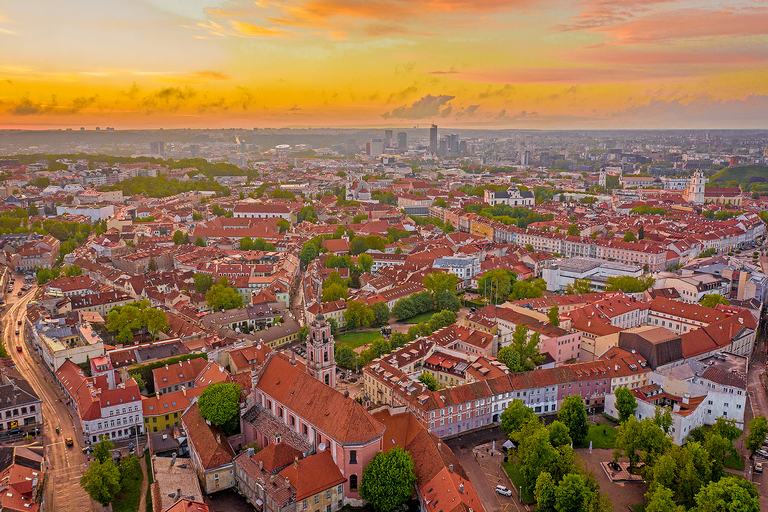
Photo: BigHead (CC BY-SA 4.0)
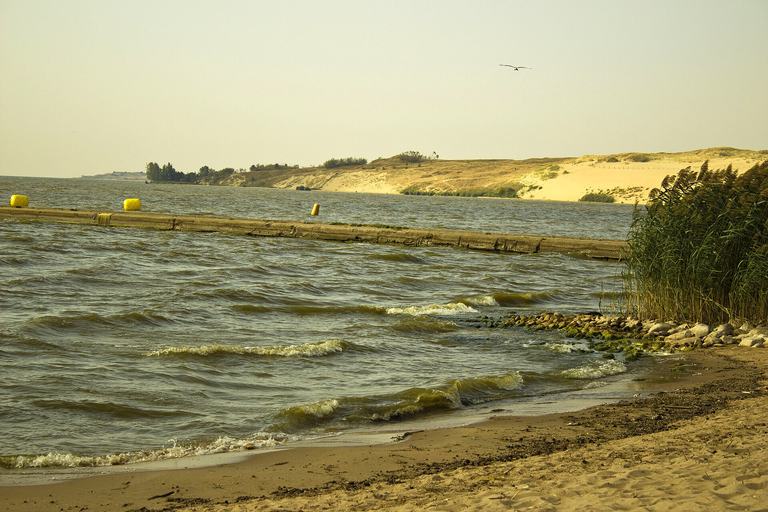
Photo: Laima Gūtmane (simka… (CC BY-SA 3.0)
The Curonian Spit, also a UNESCO World Heritage Site, is a narrow strip of land on the Baltic coast that separates Lithuania from Russia. This breathtaking natural landscape offers endless sand dunes, picturesque fishing villages and unspoiled beaches, inviting you to hike, cycle and relax.
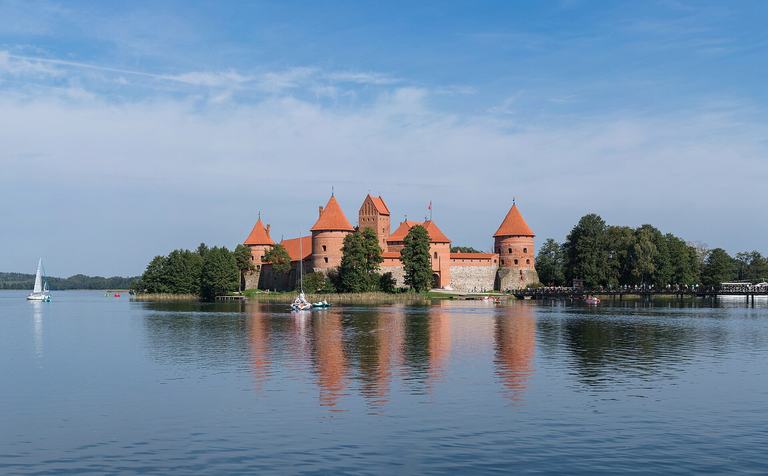
Photo: Diliff (CC BY-SA 3.0)
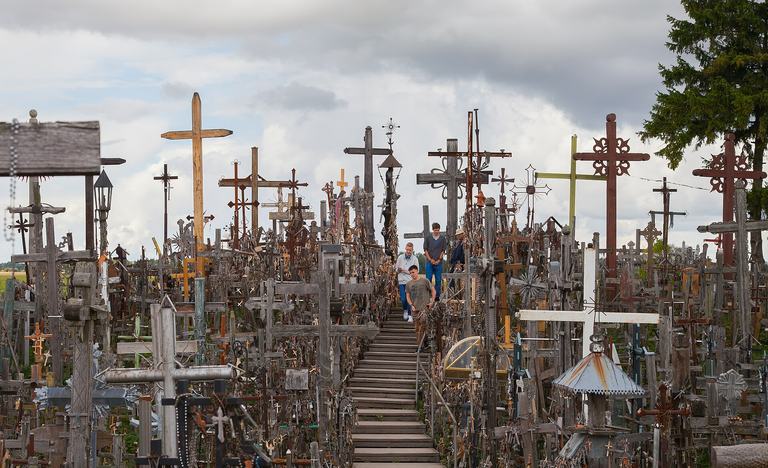
Photo: Diego Delso (CC BY-SA 3.0)
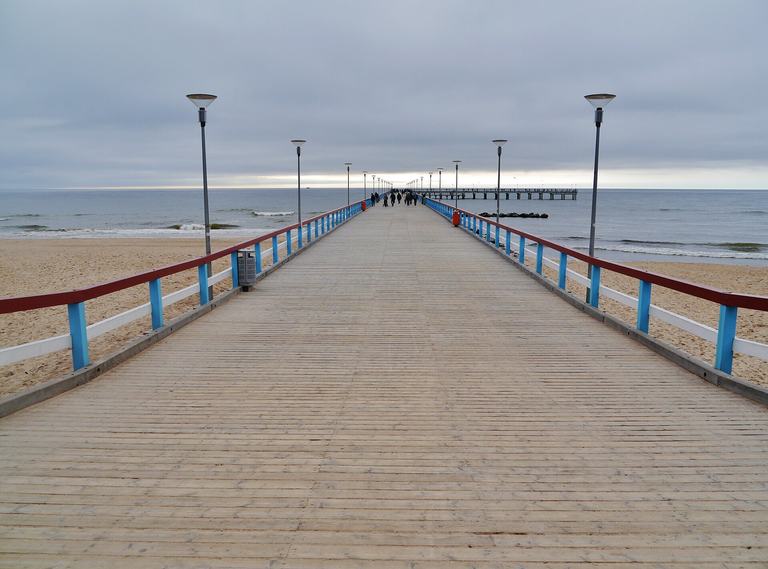
Photo: Zairon (CC BY-SA 4.0)


Cultural facts
UNESCO World Heritage Sites: Lithuania has an impressive number of UNESCO World Heritage Sites, including the Old Town of Vilnius, the Curonian Spit and the Kreuzberg Hills. These sites bear witness to the country's rich history and cultural significance.
Lithuanian language: Lithuanian is one of the oldest languages still spoken in the world and an important cultural institution in Lithuania. Lithuanians are proud of their language, which reflects their national identity and cultural traditions.
Traditional festivals and customs: Lithuania celebrates a wide variety of traditional festivals and customs that are closely linked to the agricultural year and the Lithuanian calendar. These include Joninės (Midsummer festival), Užgavėnės (Festival of Masks) and Kūčios (Christmas Eve supper), at which people keep local traditions and rituals alive.
Folklore and folk music: Lithuanian folklore and folk music play an important role in the country's cultural life. Traditional songs, dances and stories have been passed down for generations and are an integral part of Lithuanian identity.
Art and literature: Lithuania has a vibrant art and literature scene, shaped by renowned artists, writers and intellectuals. Vilnius, the capital of Lithuania, is known for its lively art scene and its numerous galleries, museums and literary events.
Fun facts
A basketball nation: Lithuania is a basketball nation and is considered one of the best basketball nations in the world. The sport is enormously popular in the country, and the Lithuanian national team has achieved numerous international successes, including Olympic medals and European Championship titles.
The Lithuanian alphabet: The Lithuanian alphabet has 32 letters and is one of the oldest alphabets still in use in the world. It is based on the Latin alphabet but has additional letters such as ą, č, ė, į, š, ų and ž.
Famous personalities: Lithuania has produced a number of famous personalities, including the Nobel Prize-winning writer Czesław Miłosz, the painter and composer Mikalojus Konstantinas Čiurlionis and the chess grandmaster Arvydas Sabonis.
The Amber Room: The Palanga Amber Museum in Lithuania houses one of the largest amber collections in the world. The museum displays a wide range of amber products, including jewellery, artworks and archaeological finds.
The ghost hills: Lithuania is known for its numerous burial mounds, known as "ghost hills" or "pagan hills". These ancient burial sites are linked with legends and myths and attract thousands of visitors every year.
The artists' colony of Nida: Nida on the Curonian Spit was a popular meeting place for artists and intellectuals, including the German writer Thomas Mann. The natural beauty and inspiring atmosphere have encouraged many artists to live and work here.
The Singing Revolution: Lithuania played an important role in the Singing Revolution, a series of peaceful protests and song gatherings that led to the country's independence from the Soviet Union. People sang traditional folk songs and hymns as an expression of their desire for freedom and self-determination.
The Lithuanian sauna: The Lithuanian sauna, known as "pirtis", is an important part of Lithuanian culture and tradition. It is often used as a place of relaxation, cleansing and social interaction, and is a popular ritual for locals and visitors alike.
Seasonal highlights
Summer
Midsummer festival (Joninės): Lithuanians celebrate the Midsummer festival, also known as Joninės, with traditional rituals, songs and dances. The festival usually takes place at the end of June and marks the longest day of the year. People gather around bonfires, sing songs and enjoy traditional food and drinks.
Beach holidays on the Baltic coast: In summer, many Lithuanians and tourists head to the Baltic coast to enjoy the sunny days and the refreshing sea breeze. Popular seaside resorts such as Palanga, Nida and Šventoji offer beautiful sandy beaches, outdoor activities and a lively beach scene.
Cultural festivals and events: Summer is a time full of cultural festivals and events in Lithuania. Music festivals, art exhibitions, theatre performances and traditional markets take place in towns and villages across the country, giving visitors the chance to experience Lithuania's vibrant culture and traditions.
Winter
Christmas markets: Advent in Lithuania is marked by festive Christmas markets, where visitors can buy local handicrafts, try traditional food and enjoy the festive atmosphere. The markets offer a wide range of gifts, decorations and culinary delights.
Outdoor winter activities: Despite the cold temperatures, there are many outdoor activities in winter that people in Lithuania can enjoy. These include ice skating on frozen lakes, skiing at winter resorts and snowshoeing in the national parks.
Christmas and New Year celebrations: Lithuanians celebrate Christmas and New Year with traditional customs, festive meals and family gatherings. The streets are decorated with festive lights, and people come together to celebrate the end of the year and welcome the new one.
Important information
Best time to travel
The best time to travel to Lithuania is from May to September, when the weather is mild and the days are long. During these months, visitors can enjoy nature, cultural events and outdoor activities. The off-season in spring and autumn often offers mild weather and fewer tourists.
Currency
The currency in Lithuania is the euro (EUR). It is advisable to take some cash with you, as not all shops and restaurants accept credit cards, especially in rural areas. Cash machines are widespread and usually accept international cards.
Culinary delights
Lithuanian cuisine is hearty and filling, with a wide variety of dishes based on regional ingredients. Popular dishes include cepelinai (potato dumplings with a filling), kugelis (potato pudding), šaltibarščiai (cold beetroot soup), skilandis (smoked meat sausage) and vėdarai (pig intestines stuffed with meat).
Weather conditions
Lithuania has a temperate continental climate with warm summers and cold winters. The summer months from June to August are mild to warm, with average temperatures between 17°C and 20°C. The winters from December to February are cold, with average temperatures around freezing and snowfall.