
Corsica
Corsica
- Genoa – AjaccioMoby Lines
- Genoa – Bastia (Corsica)Moby Lines, Tirrenia5 h 23 min
- Golfo Aranci – Bastia (Corsica)Corsica Ferries
- Livorno – Bastia (Corsica)Corsica Ferries, Moby Lines, Toremar4 h 30 min
- Nice – AjaccioCorsica Ferries
- Porto Torres (Sardinia) – AjaccioCorsica Ferries
- Sete – AjaccioCorsica Ferries
- Toulon – AjaccioCorsica Ferries10 h 30 min
Shipping companies


Operators & routes from / to Corsica
Popular routes:
- Ajaccio ↔ Marseille
- Ajaccio ↔ Nice
- Bastia (Corsica) ↔ Livorno
- Bastia (Corsica) ↔ Genoa
- Ajaccio ↔ Marseille
- Bastia (Corsica) ↔ Toulon
Important information
Best time to travel
The best time to travel to Corsica is from May to September, when the weather is warm and dry and the days are long. These months are ideal for outdoor activities such as hiking, swimming and water sports, as well as cultural events and festivals. The shoulder season in spring and autumn can also be pleasant, as temperatures are milder and there are fewer tourists.
Currency
The official currency in Corsica is the euro (EUR). Cash machines are widespread in the larger towns and tourist resorts, and credit cards are accepted in many shops, restaurants and hotels. However, it is advisable to also take some cash with you, especially if you are visiting rural areas.
Culinary delights
Corsican cuisine is rich in fresh, local ingredients and offers a wide range of delicious dishes influenced by Mediterranean and French cooking. Typical specialities include Corsican cured meats such as coppa and lonzu, Corsican cheeses such as brocciu and casgiu merzu, and traditional dishes such as wild boar ragout, fish soup and aubergine bake. Corsican wines such as Vermentino, Nielluccio and Muscat are often served with them, making the perfect accompaniment to local dishes.
Weather conditions
The weather in Corsica has a Mediterranean character, with hot, dry summers and mild, humid winters. The summer months from June to August bring average temperatures between 25°C and 30°C, while the winter months from December to February are cool, with average temperatures between 5°C and 10°C. Rainfall is more frequent in autumn and winter, while the summer months are generally dry.
Corsica, where the sea touches the soul and the ferries carry dreams.
In the deep blue waters of the Mediterranean lies an island of incomparable beauty and cultural diversity: Corsica. Known as "the Beautiful" and "the Mountain Island", Corsica captivates with its wild and varied landscape, from the majestic peaks of the Corsican mountains to the picturesque coastal villages by the azure sea. Yet Corsica is more than a breathtaking destination: it is also a place of rich history, lively traditions and warm hospitality. Immerse yourself in the bustling markets, savour the delicious Corsican cuisine and let yourself be enchanted by the melody of Corsican music. Welcome to Corsica, where nature is experienced in its purest form and time seems to flow at a gentle rhythm.
- Location: western Mediterranean
- Area: 8,680 km²
- Population: About 330,000 people
- Capital: Ajaccio
- Official language: French
- Currency: Euro
- Culture: History, art, architecture, music
- Cuisine: Fish, seafood, meat, cheese, herbs and vegetables
- Activities: Activities for nature and culture lovers
Sights
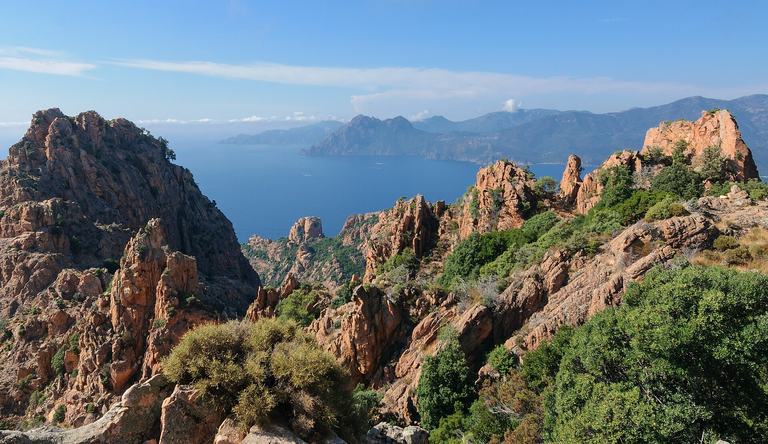
Photo: Myrabella (CC BY-SA 3.0)
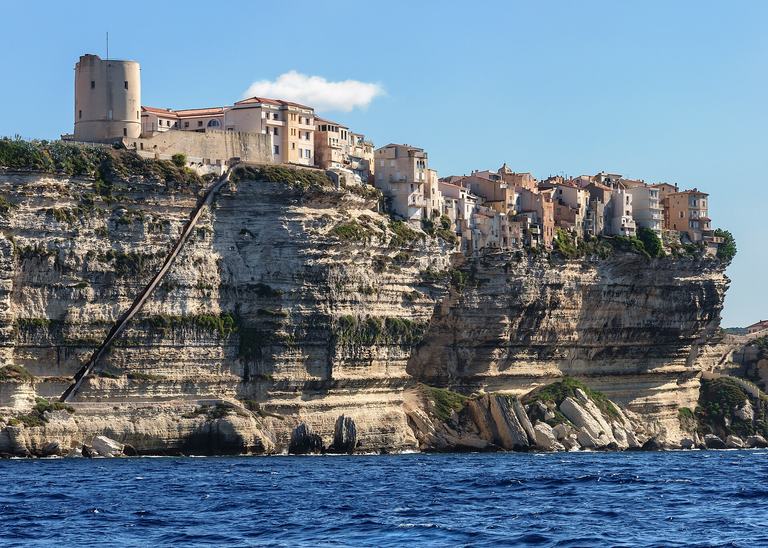
Photo: Myrabella (CC BY-SA 3.0)
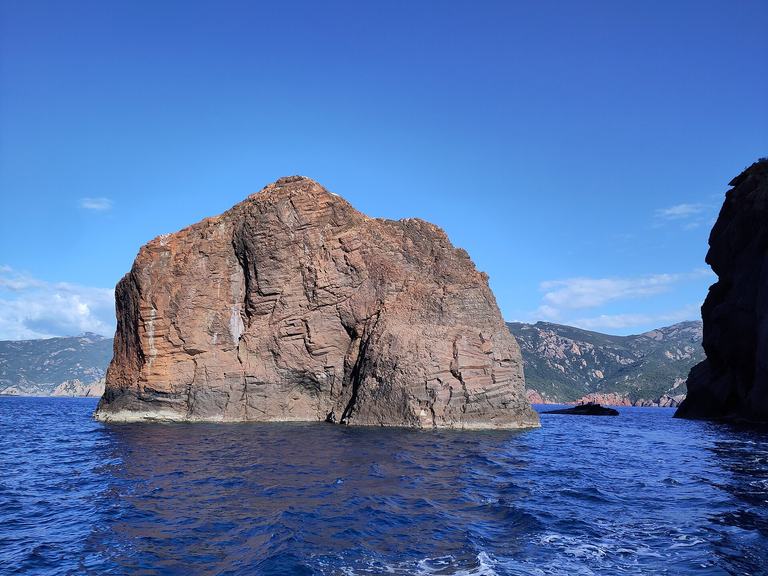
Photo: LySioS-wkp (CC BY-SA 4.0)
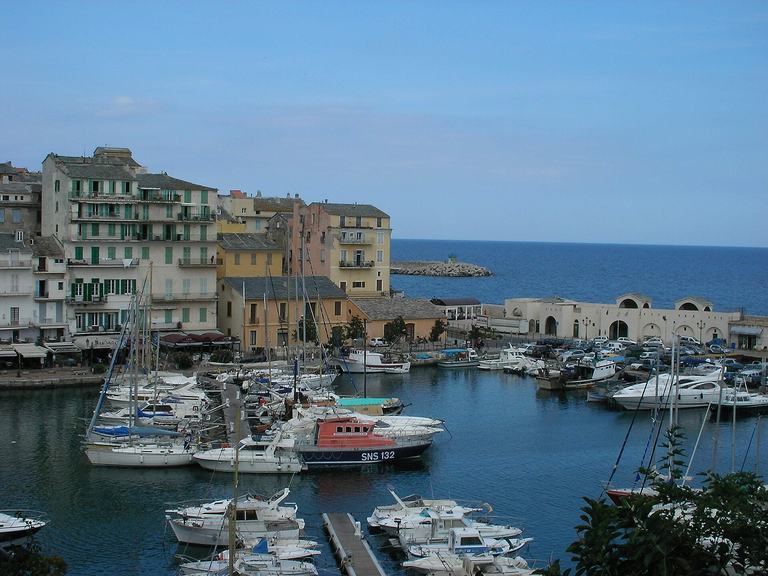
Photo: Gzen92 (CC BY-SA 4.0)
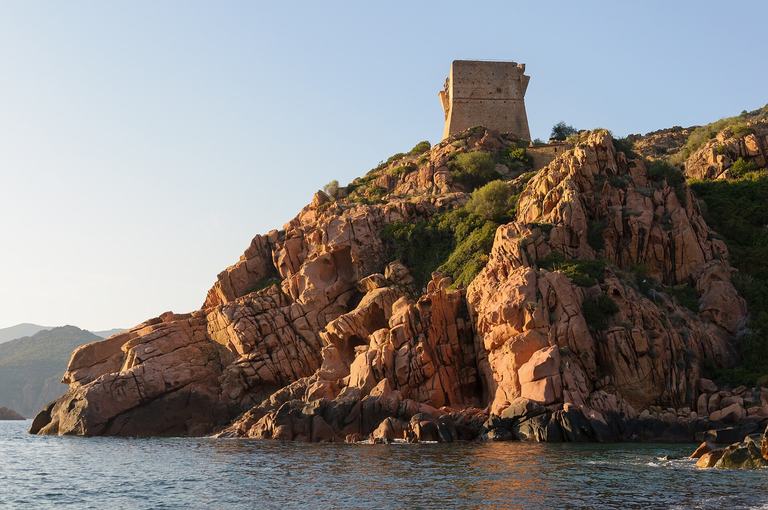
Photo: Myrabella (CC BY-SA 3.0)
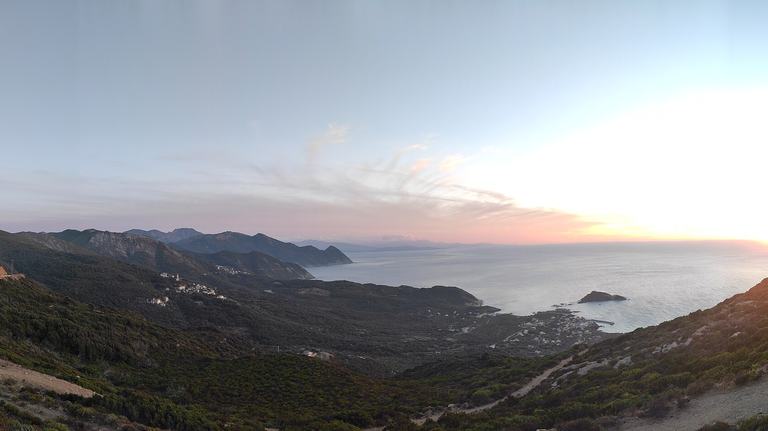
Photo: Nacaru (CC BY-SA 4.0)


Cultural facts
Corsican language: Alongside French, Corsican (Corsu) is also spoken in Corsica, a Romance language with its own grammar and vocabulary. It is an important part of Corsican identity and is actively promoted to preserve its appreciation and use.
Music and singing: Corsican musical tradition is rich and diverse, ranging from folk music to modern interpretations. Polyphonic songs, in which several voices sing at the same time, are particularly characteristic of Corsican music and are often performed at festivals, celebrations and events.
Folklore and customs: Corsica has a rich tradition of folklore and customs, closely linked to the history and culture of the island. These include festivals, religious processions, dance events and local craftsmanship, which keep the island's heritage alive.
Craftsmanship: Corsica is known for its traditional craftsmanship, including weaving, pottery, woodcarving and blacksmithing. Local craftspeople produce high-quality products that are often inspired by nature and the island's cultural traditions.
Religious festivals and celebrations: Corsican culture is strongly shaped by the Catholic religion, and religious festivals and celebrations play an important role in the social life of the island. Traditional processions, pilgrimages and celebrations in honour of saints and patron saints are widespread and are equally valued by locals and visitors.
Corsican cuisine: Corsican cuisine is rich in local products and culinary traditions influenced by French and Italian cooking. Typical dishes include wild boar ragout, Corsican sausages, Corsican cheese (such as Brocciu) and Corsican wines (such as Nielluccio and Vermentino).
Fun facts
Birthplace of Napoleon Bonaparte: Corsica is the birthplace of Napoleon Bonaparte, one of the most important military leaders and rulers in European history. His birthplace in Ajaccio can be visited and is a popular destination for history enthusiasts.
Corsican wild boar: Corsica is home to a unique population of wild boar known as “Mufflons”. These hardy animals have adapted perfectly to the island's rugged landscape and are a symbol of Corsica's wild nature.
Mountain railway Corsica Ferries: The Chemin de fer de la Corse is a picturesque mountain railway linking the towns of Bastia (Corsica) and Ajaccio. The route runs through spectacular landscapes and offers breathtaking views of the Corsican mountains and coasts.
Megalithic sites: Corsica is rich in prehistoric sites, including megalithic stone formations, menhirs and dolmens. These mysterious relics from the past bear witness to the island's early settlement and are fascinating destinations for archaeologists and history enthusiasts.
Corsican donkeys: Corsican donkeys are a native breed that lives on the island and is known for its hardiness and adaptability. They are often used as working animals in farming and are also popular with tourists for rides and hikes in nature.
Island of beauty: Corsica is often called “the island of beauty” because of its breathtaking landscapes, from majestic mountains and picturesque coasts to lush forests and idyllic villages. The variety of nature and the untouched wilderness make Corsica a paradise for nature lovers.
Seasonal features
Summer
Sun-kissed beaches:
In summer, the numerous beaches along the coast of Corsica become popular destinations for sun worshippers and water sports enthusiasts. The warm Mediterranean Sea invites you to swim, snorkel and sail, while the golden sandy beaches are perfect for relaxing and sunbathing.
Outdoor activities:
The warm summer temperatures make Corsica an ideal destination for outdoor activities such as hiking, climbing, cycling and water sports. The island's varied landscape offers plenty of opportunities for adventure and exploration in nature.
Summer festivals:
Summer is festival time on Corsica, with numerous events, concerts and cultural celebrations taking place in the towns and villages of the island. The highlights include the Festival du Film de Lama, the Calvi Jazz Festival and the Porto Latino Festival.
Winter
Quiet beaches:
In winter, calm returns to the beaches of Corsica, and the coastal towns offer a relaxed atmosphere for beach walks and quiet days by the sea. The beaches are often deserted, which makes them perfect for solitary walks and moments of meditation.
Mountain activities:
In winter, the Corsican mountains offer a wide range of outdoor activities such as skiing, snowboarding and snowshoeing. The Ghisoni and Val d'Ese ski areas attract winter sports enthusiasts with their slopes and cross-country trails, while the snow-covered peaks offer breathtaking views.
Winter magic in the towns:
In winter, the towns and villages of Corsica have a special atmosphere, with cosy cafés, festively decorated streets and traditional Christmas markets. Visitors can experience Corsican culture and hospitality first-hand and enjoy the festive mood.