
Poland

Poland - where history whispers through the streets and culture beats in the heart.
Poland - a country rich in history, culture and natural beauty, lying in the heart of Europe. From medieval towns with their Gothic cathedrals and splendid market squares to the picturesque landscapes of the Carpathians and the Baltic Sea, Poland offers a variety of experiences for every visitor. The country's rich history, shaped by kings, wars and rebirths, is reflected in the magnificent palaces, castles and historic sites scattered across the whole country. At the same time, Poland impresses with a thriving art and cultural scene, ranging from lively cities such as Kraków and Warsaw to picturesque villages and traditional festivals. Immerse yourself in the fascinating world of Poland, where the past meets modern innovation and every visit becomes an unforgettable adventure. Welcome to Poland - a land full of discoveries and surprises.

- Location: Central Europe
- Area: 312696 km²
- Population: About 38 million people
- Capital: Warsaw
- Official language: Polish
- Currency: Polish złoty (PLN)
- Cuisine: hearty and varied Pierogi (filled dumplings), Bigos (sauerkraut stew) and Żurek (sour rye flour soup)
- Activities: Exploring historic towns, outdoor activities
Operators & routes from / to Poland


Operators & routes from / to Poland
- Karlskrona – GdyniaStena Line9 h 45 min
- Malmo – SwinoujscieFinnlines9 h 15 min
- Nynashamn – GdanskPolferries
- Trelleborg – SwinoujscieTT-Line6 h
- Ystad – SwinoujsciePolferries
Sights
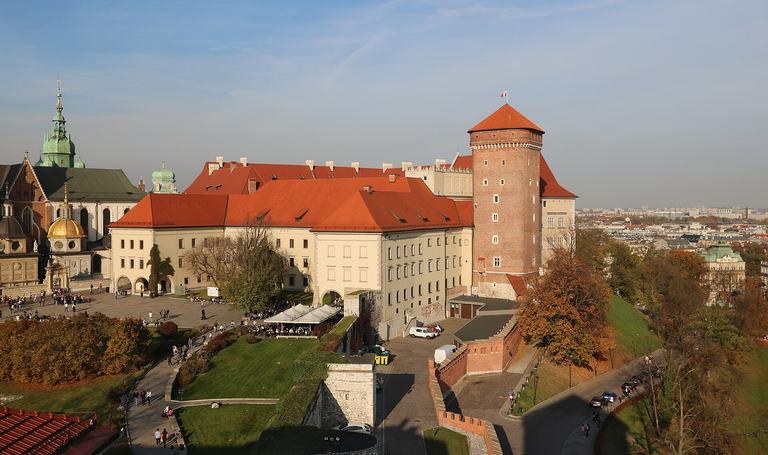
Photo: Ingo Mehling (CC BY-SA 4.0)
The Old Town of Kraków, a UNESCO World Heritage Site, is a fascinating ensemble of Gothic, Renaissance and Baroque buildings, including the Rynek Główny market square with the Cloth Hall and St. Mary's Basilica. Wawel Castle, located on a hill above the city, is an architectural gem with magnificent interiors and panoramic views over the Vistula.
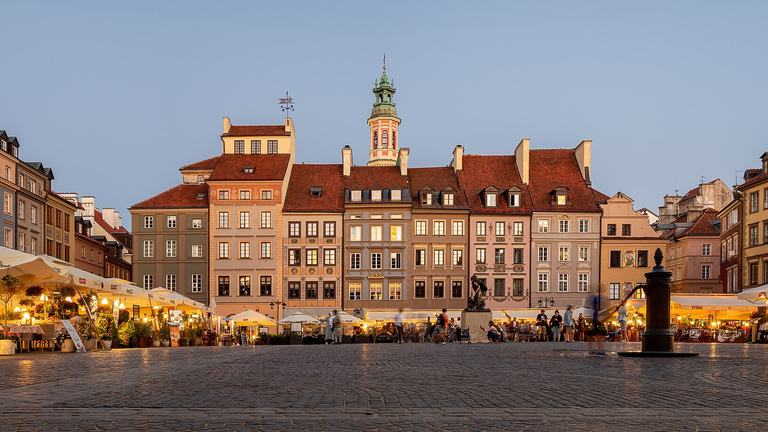
Photo: Rhododendrites (CC BY-SA 4.0)
The Old Town of Warsaw, also a UNESCO World Heritage Site, was faithfully rebuilt after the Second World War and is a vibrant centre full of history and culture. Visitors can stroll through narrow cobblestone streets, admire the colourful houses and explore historic sights such as the Royal Castle Square and the Barbican of Warsaw.
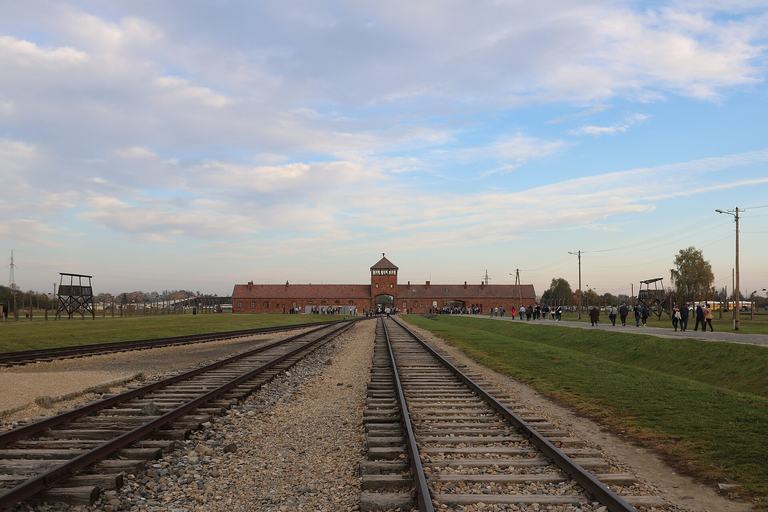
Photo: Ingo Mehling (CC BY-SA 4.0)
The former Auschwitz-Birkenau concentration and extermination camp is a memorial to the victims of the Holocaust and one of the most important memorial sites in the world. Visitors can see the remains of the camp buildings, gas chambers and crematoria, and walk through the exhibitions and memorials to learn more about the dark history of the site.
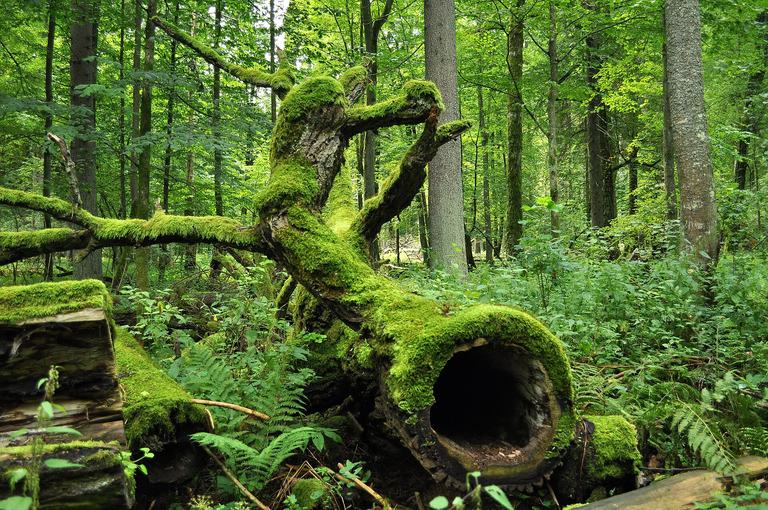
Photo: Jacek Karczmarz (CC BY-SA 3.0)
Białowieża National Park, a UNESCO World Natural Heritage Site, is one of the last remaining primeval forests in Europe and is home to a unique variety of flora and fauna, including the European bison herd. Visitors can hike through the dense forest to discover rare animal species and majestic giant trees.


Cultural facts
Pierogi - Filled dumplings: Pierogi are filled dumplings that are among the most popular dishes of Polish cuisine. They are prepared with a variety of fillings, including potatoes, meat, cheese, sauerkraut and fruit, and can be boiled, fried or baked.
Bigos - Polish hunter's stew: Bigos, also known as "Polish sauerkraut stew", is a hearty stew made of sauerkraut, various types of meat (such as sausage, beef and pork), mushrooms, onions and spices. It is a traditional dish that is often cooked over several days and gains flavour each time it is reheated.
Żurek - Sour soup: Żurek is a sour soup traditionally made from sourdough bread, boiled sausage, potatoes, hard-boiled eggs and sour cream. It is a popular dish in Poland, especially at holidays such as Easter, and is often served with smoked bacon or garlic.
Fun facts
Polish hospitality: Poles are known for their warm hospitality and take sharing food and drink during social gatherings very seriously. Guests are often welcomed with generous meals and an abundance of food and drink to show their hosts' generosity.
Polish Christmas traditions: In Poland, Christmas and Christmas Eve (Wigilia) are celebrated with numerous traditions and customs, including preparing twelve traditional dishes, breaking the Christmas wafer (Opłatek) and singing Christmas carols.
Polish confectionery: Poles are masters of confectionery and offer a wide variety of delicious sweets and pastries, including Makowiec (poppy seed cake), Pączki (filled doughnuts) and Sernik (cheesecake). These sweet treats are a fixture at Polish celebrations and festivals.
Seasonal highlights
Summer
Picturesque Masuria - lake landscape:
In summer, the Masurian Lakes become a paradise for water sports enthusiasts and nature lovers. With over 2,000 lakes, Masuria offers endless opportunities for sailing, canoeing, fishing and swimming in crystal-clear water, surrounded by lush nature and picturesque villages.
Festive atmosphere in Kraków:
Kraków, one of Poland's cultural capitals, comes alive in summer as a vibrant centre full of festivals, concerts and cultural events. Visitors can stroll through the historic Old Town, past street artists, or explore the picturesque Planty park, which blooms with flowers and greenery in summer.
Beach life on the Baltic Sea:
The Polish Baltic coast attracts visitors in summer with long sandy beaches, picturesque seaside towns and sunny promenades. Places such as Sopot, Kołobrzeg and Gdańsk offer ideal conditions for sunbathing, swimming and relaxing by the sea, as well as a lively atmosphere with cafés, restaurants and boutiques.
Winter
Magic of a Polish Christmas:
Winter in Poland is marked by a warm and festive atmosphere, especially during the Christmas season. Markets with handmade gifts, mulled wine and traditional pastries attract visitors to cities such as Kraków, Warsaw and Wrocław. Singing Christmas carols and breaking the Opłatek (Christmas wafer) are part of Polish Christmas traditions.
Winter magic in the Carpathians:
In winter, the Polish Carpathians offer a dreamlike setting for outdoor activities such as skiing, snowboarding and winter hiking. Popular ski resorts such as Zakopane, Białka Tatrzańska and Karpacz attract winter sports enthusiasts with well-groomed slopes, cosy mountain huts and spectacular views of the snow-covered peaks.
Polish coziness by the fireside:
In the cosy mountain huts and country inns of Poland, visitors can experience traditional Polish hospitality in winter and warm themselves by the fireside. Homemade Polish dishes such as Żurek, Bigos and Pierogi provide a warm and hearty meal after a day in the snow.
Important information
Best time to travel
The best time to travel to Poland is in spring and autumn, when the weather is mild and nature is in bloom or displays its autumn colours. The summer months from June to August are ideal for outdoor activities and city breaks, while the winter months from December to February are suitable for winter sports in the Carpathians.
Currency
The official currency of Poland is the Polish złoty (PLN). Cash can be used in most shops, restaurants and hotels, while credit cards are widely accepted in larger cities. Cash machines are easily accessible in most towns and tourist areas.
Culinary delights
Polish cuisine is rich and varied, with influences from German, Austrian, Hungarian and Jewish cooking. Traditional Polish dishes include pierogi (filled dumplings), bigos (sauerkraut stew), żurek (sour soup), kiełbasa (Polish sausage) and gołąbki (cabbage rolls). Other culinary delights include Polish vodka, sweet baked goods such as makowiec (poppy seed cake) and pączki (filled doughnuts), as well as local specialities from the various regions of Poland.
Weather conditions
The climate in Poland varies by region, with a temperate continental climate prevailing. Summers are usually warm, with average temperatures between 20°C and 25°C, while winters are cool to cold, with temperatures below freezing and snowfall, especially in the mountain regions in the south. The best time to travel to Poland is in spring (March to May) and autumn (September to October), when the weather is mild and nature is blooming or showing its autumn colours.