
Netherlands

The Netherlands - where windmills shape the landscape and tulip fields bloom like a sea of colour.
Experience the Netherlands, a country rich in history, culture and natural beauty. From the charming canals of Amsterdam to the endless tulip fields of Keukenhof, a journey through the Netherlands is a voyage through time, across eras and landscapes.
Immerse yourself in the diverse culinary scene of the Netherlands and discover the hidden treasures of the picturesque villages in the interior.
Here you will find not only insights into the most fascinating places in the Netherlands, but also important information on entry requirements, culture and much more.

- Location: The Netherlands lies in Northern Europe, on the North Sea
- Area: 41,526 km²
- Population: Around 17.3 million people
- Capital: Amsterdam
- Official language: Dutch
- Currency: Euro (EUR)
- Culture: Famous masters of painting: Rembrandt, Vermeer. Rich architecture and heritage of the Golden Age
- Cuisine: Popular dishes: Stroopwafels, Poffertjes, Haring, Bitterballen
- Activities: Exploring historic cities: Amsterdam, The Hague. Boat trips on the canals. Bike tours through picturesque landscapes
Operators & routes from / to the Netherlands


Operators & routes from / to the Netherlands
- Harwich – Hoek van HollandStena Line8 h 45 min
- Newcastle – Amsterdam/IjmuidenDFDS16 h 15 min
Sights
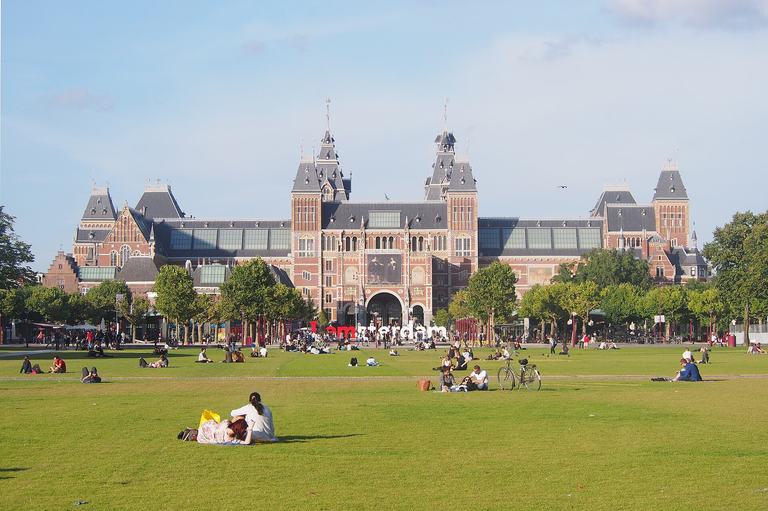
Photo: C messier (CC BY-SA 4.0)
The Rijksmuseum is one of the best-known art museums in the world and houses an impressive collection of Dutch masterpieces from the 17th century. Visitors can admire paintings by artists such as Rembrandt, Vermeer and Frans Hals and be inspired by the beauty and variety of Dutch art. Besides the paintings, the Rijksmuseum also has an extensive collection of sculptures, decorative arts and historical artefacts that reflect the rich cultural history of the Netherlands.
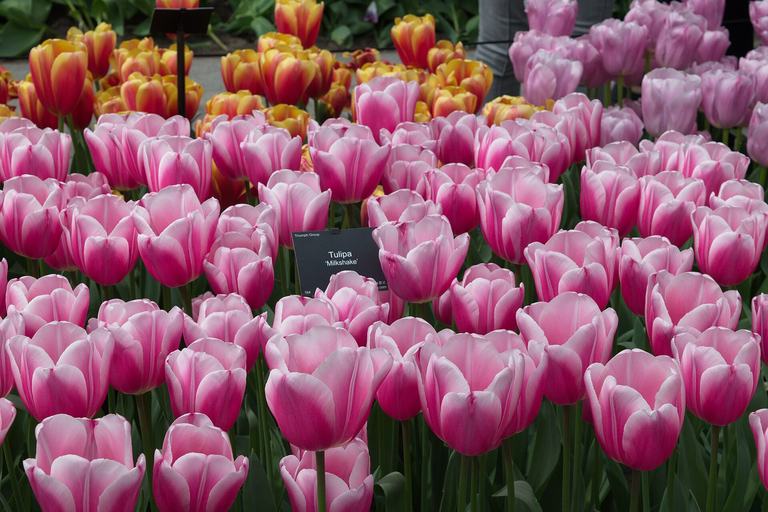
Photo: Atamari (CC BY-SA 4.0)
Keukenhof, also known as “the Garden of Europe”, is one of the largest flower parks in the world and a true feast for the eyes of flower lovers. Every spring, the 32-hectare site transforms into a colourful sea of tulips, daffodils, hyacinths and other spring flowers. Visitors can stroll through endless flower beds, admire spectacular flower displays and be enchanted by the beauty of nature.
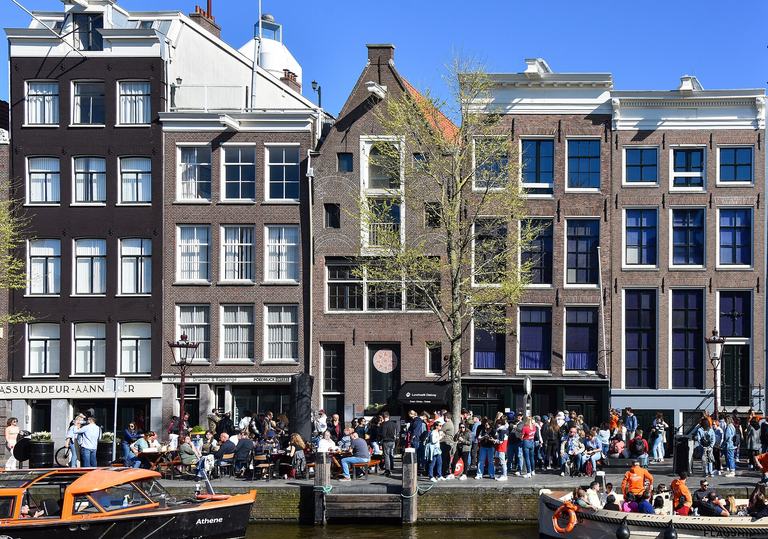
Photo: Lệ Xuân (CC BY-SA 4.0)
The Anne Frank House is a moving museum that commemorates the life and legacy of Anne Frank, a Jewish girl who hid from the Nazis during the Second World War and later died in the Bergen-Belsen concentration camp. Visitors can tour the hiding place where Anne Frank and her family concealed themselves, and see personal belongings, photos and diary entries by Anne Frank that offer insight into her life and thoughts during this time.
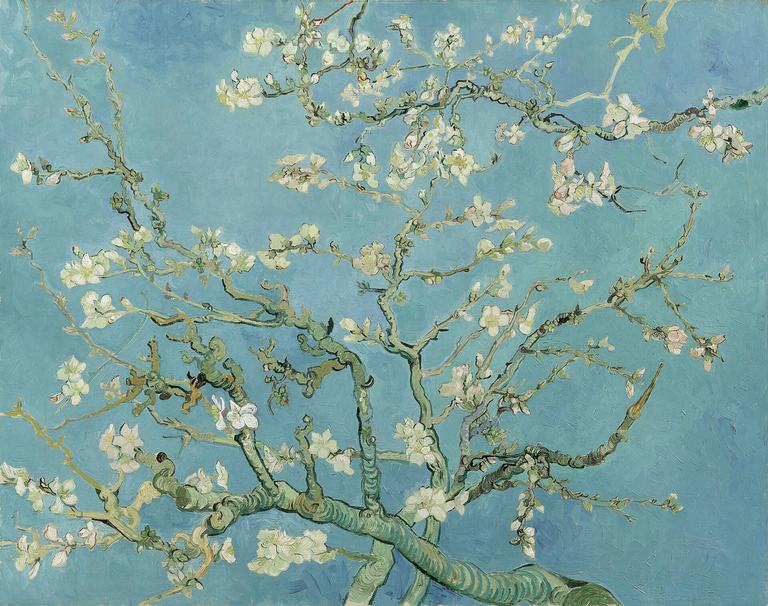
The Van Gogh Museum is dedicated to the life and work of the famous Dutch painter Vincent van Gogh and houses the largest collection of his paintings and drawings worldwide. Visitors can admire masterpieces such as “The Sunflowers”, “The Starry Night” and “Self-Portrait with Bandaged Ear” and learn more about Van Gogh’s life and artistic development.
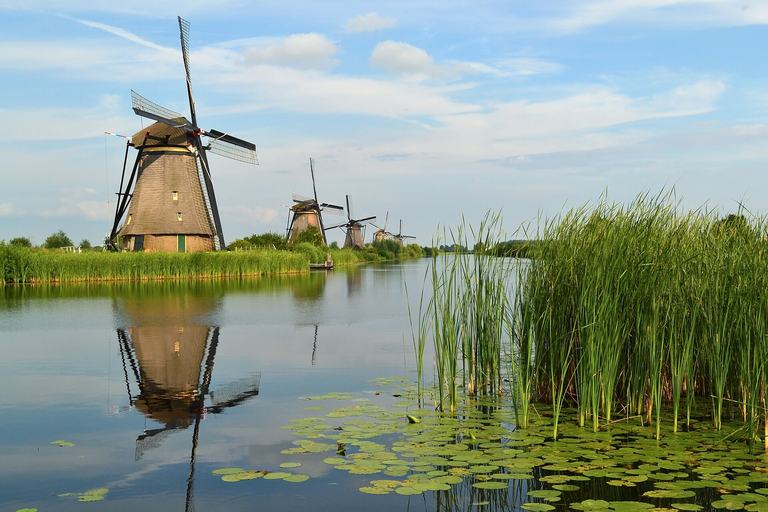
Photo: Tarod (CC BY-SA 3.0 nl)
Kinderdijk is a picturesque village in the Dutch province of South Holland, known for its historic windmills. The 19 windmills of Kinderdijk were built in the 18th century to protect the land from flooding and are a symbol of the impressive hydraulic engineering of the Netherlands. Visitors can stroll along the canals and admire the majestic windmills up close.
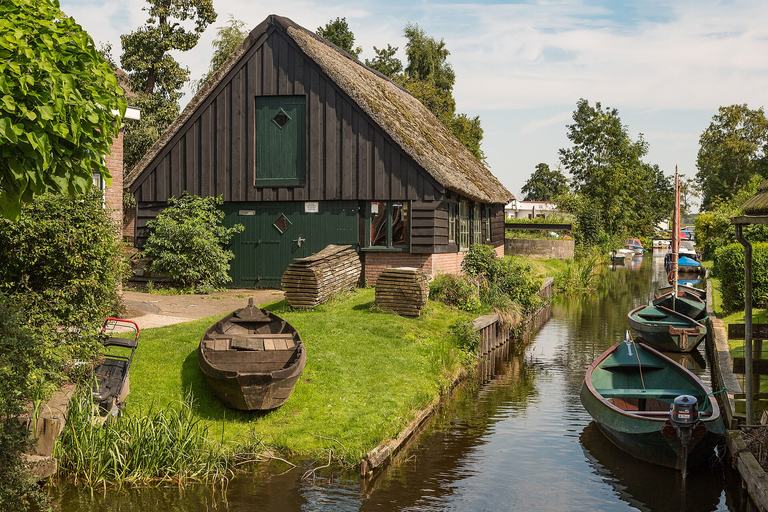
Photo: CEphoto, Uwe Aranas (CC BY-SA 3.0)
Giethoorn, also known as the "Venice of the North", is a picturesque village in the province of Overijssel, known for its charming canals, bridges and thatched farmhouses. Visitors can take boat tours through the canals, stroll along the narrow lanes and experience the idyllic atmosphere of this unique village.
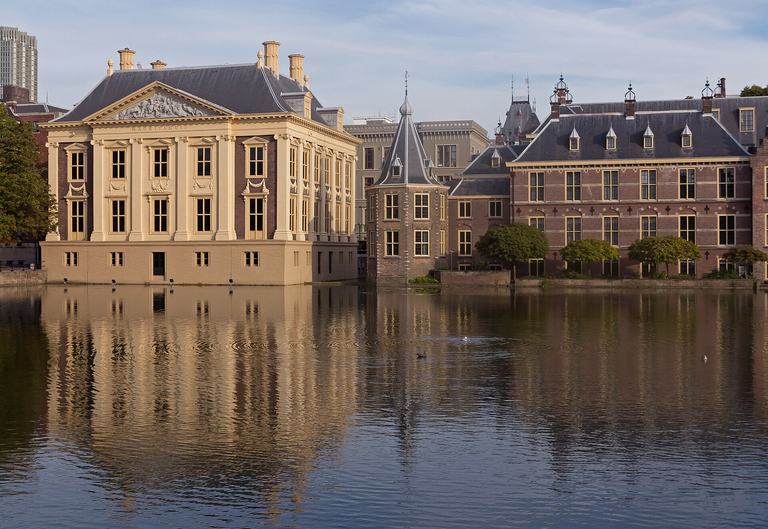
Photo: Michielverbeek (CC BY-SA 4.0)
The Mauritshuis is a renowned art museum in The Hague that houses an exquisite collection of Dutch and Flemish masterpieces. Highlights include Vermeer’s “Girl with a Pearl Earring”, Rembrandt’s “The Anatomy Lesson of Dr. Tulp” and Rubens’ “Self-Portrait”. The Mauritshuis is located in a magnificent 17th-century palace and is a must for art lovers.


Cultural facts
Cheese tradition
The Netherlands is known worldwide for its rich cheese tradition. Cheeses such as Gouda, Edam and Maasdam are valued not only in the Netherlands but also found on international markets. The cheese market in Alkmaar is a popular destination for tourists to experience the time-honoured craft of cheese trading.
Herring and Matjes
Herring is an icon of Dutch cuisine and is enjoyed in various preparations, from marinated to smoked. The Matjes herring, eaten in the spring months and traditionally served with onions and spices, is especially popular. The Matjesfest in Scheveningen is an annual celebration dedicated to the start of the Matjes season.
Stroopwafels and Poffertjes
Stroopwafels are a sweet treat from the Netherlands, made of two thin waffles filled with a layer of syrup. These delicious waffles are a popular snack and are often freshly prepared at markets and in bakeries. Poffertjes are small, fluffy pancakes traditionally dusted with icing sugar and served with butter. They are a popular treat for young and old alike.
Royal cuisine
The Dutch royal family has a strong influence on the country's culinary scene. Traditional Dutch dishes such as Erwtensoep (pea soup with sausage), Hutspot (beef stew) and Pannenkoeken (pancakes) are often served at royal events and festivities. The royal gardens in The Hague supply fresh ingredients for royal meals and offer an insight into the royal cuisine of the Netherlands.
Fun facts
Tulip mania:
In the 17th century, the Netherlands experienced a "tulip mania" when tulip bulbs were traded at exorbitant prices. This led to one of the first known speculative bubbles in history.
Cheese carts on the waterways:
In Amsterdam, there are special cheese carts that float on the canals and sell cheese directly to customers. These floating cheese boats are a unique and entertaining way to buy cheese.
Royal bicycles:
The Dutch royal family is known for regularly getting around by bicycle. King Willem-Alexander and his family often use bicycles as an environmentally friendly means of transport to carry out their royal duties.
Houses with gable stones:
Many houses in the Netherlands have decorative stones called "gevelstenen" on their facades. These ornamental stone panels, often decorated with historical motifs, serve as identifying marks for the houses and often represent the occupation or history of the residents.
Home of the windmills:
The Netherlands is famous for its windmills, which are not only historic monuments but also play an important role in draining the land. Today, some windmills are still used to pump water or grind grain, while others have been converted into museums or homes.
The fight against the water:
A large part of the Netherlands lies below sea level, which is why the country has a sophisticated system of dikes, dams and water channels to prevent flooding. Over the centuries, the Dutch have waged an epic battle against the water and are world leaders in hydraulic engineering.
Global trading power:
In the 17th century, the Netherlands was one of the most powerful trading nations in the world and controlled a vast colonial empire. The Dutch East India Company (VOC) was the first multinational company in the world and played a decisive role in trading spices, precious metals and other goods.
Seasonal highlights
Summer
Blooming tulip fields:
The Netherlands is famous in summer for its colourful tulip fields, which offer a fascinating spectacle. Especially in the area around Lisse, known as the "flower village", visitors can admire endless fields of flowers in bright colours.
Canal boat trips:
The warm summer months invite you to explore the famous canals of the Netherlands. With a rented boat or a guided tour, you can glide through the picturesque waterways of Amsterdam, Utrecht or The Hague and experience the unique architecture and atmosphere of the cities from the water.
Open-air markets and festivals:
In summer, the Netherlands hosts numerous open-air markets, street festivals and music festivals. Cheese markets are especially popular, where visitors can taste local cheeses and admire traditional crafts. Music festivals such as the North Sea Jazz Festival also attract visitors from all over the world.
Beach life on the North Sea:
In summer, the North Sea coastline attracts locals and tourists alike to the beaches of the Netherlands. From lively seaside resorts such as Scheveningen to quieter coastal stretches such as Texel, the North Sea beaches offer a wide range of opportunities for sunbathing, swimming and water sports.
Winter
Ice rinks and winter wonderland:
In winter, the squares and parks of Dutch towns and cities turn into picturesque winter landscapes. Ice rinks are set up, and visitors can skate outdoors or stroll leisurely through the wintry atmosphere. Winter in the Netherlands is a time full of magical moments and romantic mood.
Cosy pubs and cafés:
The Dutch know how to keep warm in winter, and nothing is cosier than a visit to a traditional pub or café. With a hot drink in hand, visitors can watch the busy life of the city or enjoy a friendly chat with locals.
Winter water sports:
Contrary to expectations, the Netherlands also offers water sports opportunities in winter. In some regions, visitors can try ice sailing, an exciting activity in which boats glide over the ice on frozen lakes and canals, driven by the wind. This unique sport is a popular leisure activity for adventurous people during the cold months.
Important information
Best time to travel
The best time to travel to the Netherlands depends on personal preferences and interests. The summer months from June to August are ideal for outdoor activities, visiting open-air markets and festivals, and walks along the coast. The winter months from December to February are ideal for visiting Christmas markets, skating on the squares and enjoying cosy evenings in pubs.
Currency
The official currency of the Netherlands is the euro (EUR). Banknotes and coins are available in various denominations, with banknotes issued in values of 5, 10, 20, 50, 100, 200 and 500 euros. Cash machines are widespread and generally accept international credit cards and EC cards. Credit cards are accepted in most hotels, restaurants and shops.
Culinary delights
Dutch cuisine is varied and offers a range of delicious dishes that are both traditional and international in inspiration. Popular dishes include stamppot, a traditional hotpot of potatoes, vegetables and meat, as well as haring, smoked or marinated herring, which is often served with onions. Other culinary highlights are poffertjes, small fluffy pancakes, and stroopwafels, thin waffles filled with syrup.
Weather conditions
The Netherlands has a temperate maritime climate, marked by mild temperatures and regular rainfall. The summer months from June to August are usually mild and pleasant, with average temperatures between 20°C and 25°C. The winter months from December to February are cool and damp, with temperatures normally between 0°C and 10°C. Rain is possible all year round, so it is advisable to bring waterproof clothing when you visit the Netherlands.
Transport
The Netherlands has a well-developed public transport system that makes it easy to explore the country. The rail network is extensive and connects cities and regions throughout the country. The Dutch railway (NS) offers fast and reliable train connections, and most cities also have a well-developed bus network. In addition, bicycles are a popular means of transport in the Netherlands, and many cities have well-developed cycle paths.